Introduction to Magadan & Norilsk, Russia
Magadan
Two of Russia's most remote but most rewarding locations in Russia that Koryo Tours has been travelling to for decades.
Magadan is a remote port city set on the shore of the Sea of Okhotsk at the eastern edge of a landmass so vast it barely feels like it can be in the same country as Moscow. The Magadan Oblast (province) that surrounds it is one of the largest and least populated regions on Earth. It's an unforgiving expanse of taiga, tundra, and mountain wilderness cut through by the legendary Kolyma Highway - the Road of Bones.
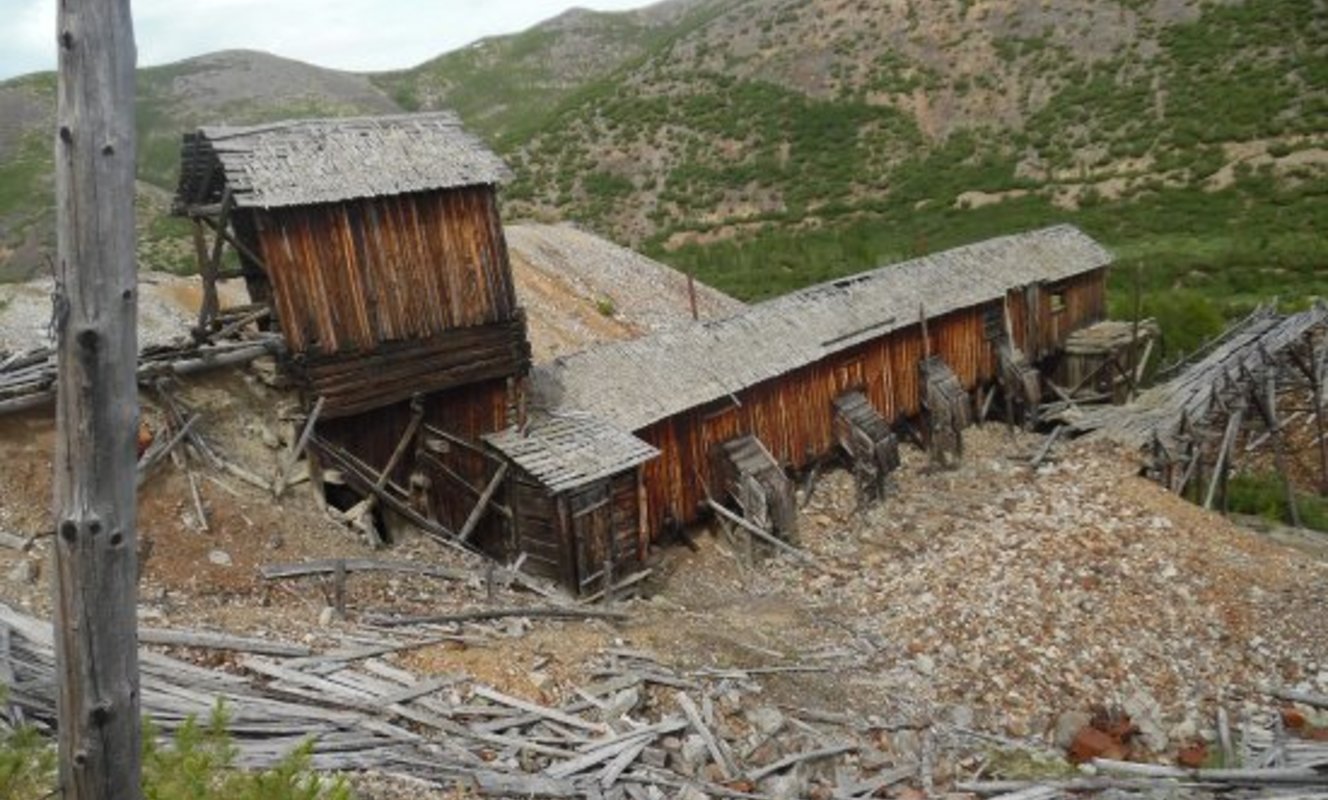
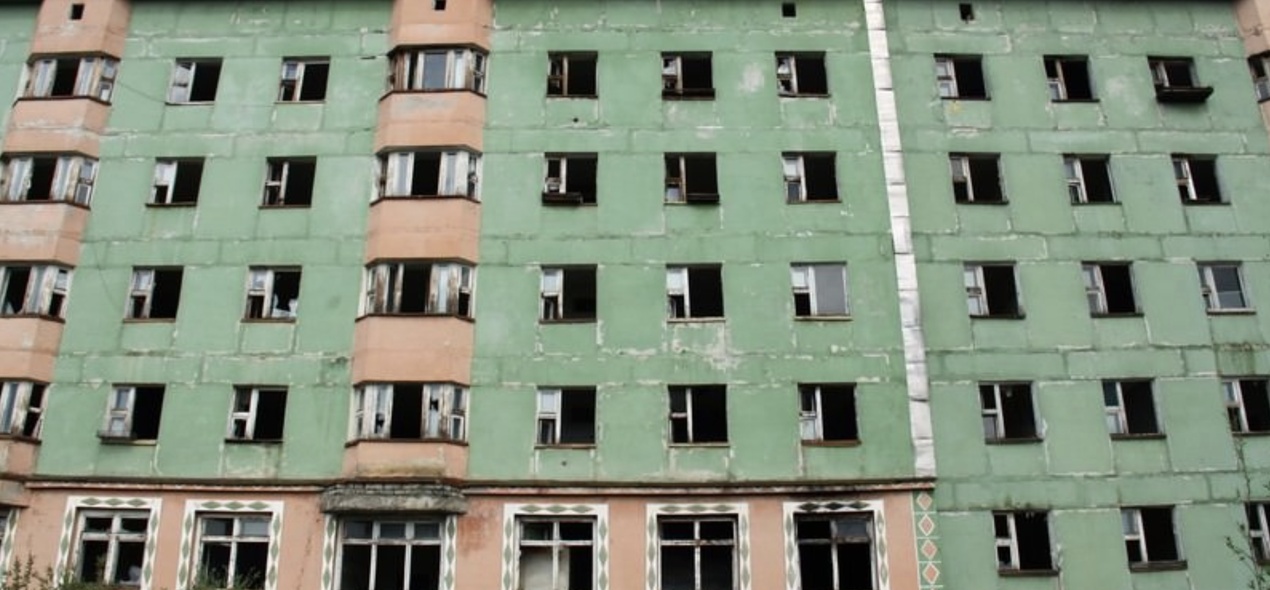
It is one of the least accessible of Russia's regional capitals in any conventional sense. Almost everything and everyone arrives either by air or, in summer, by sea. Urban Magadan is a small and rugged port city of some ninety thousand people. Its Soviet-era apartment blocks and monumental architecture face out towards a harbour that spends much of the year ice-bound. Shrunken by the departure of around half its population since the Soviet collapse, the city retains a hardy, frontier character. Its hinterland is scattered with ghost towns and abandoned mining settlements left behind as fast as they were built.
A true place of extremes. Brutal winters and brief green summers, a beautiful and terrible history, isolation that borders on the absolute, and a hardiness among its people that is hard to overstate, Magadan offers a journey into a Russia that few outsiders ever get to see.
Norilsk
Norilsk, one of the most remote places in Russia, a land blessed with many far-flung settlements, is the largest city built entirely on permafrost and the second-largest settlement anywhere north of the Arctic Circle.
A home to some 175,000 people that by any conventional logic should not exist at all. Situated on Russia's Taymyr Peninsula, hundreds of kilometres from the nearest road. It sits on a large amount of mineral wealth which explains why an urban non-native population was initiated here. And how such a place exists to the present day, so far into the Arctic wilderness.
Norilsk is a genuinely closed city. Foreign visitors require special permission to enter. This, combined with total physical isolation, no roads or rail link at all, makes it one of the hardest places to reach anywhere on the continent, and one of the most extraordinary once you arrive. Urban Norilsk is a striking, dystopian, yet strangely beautiful place. Beyond the architecture, the most notable characteristic is the grim industrial haze from the vast smelting complex that dominates the local economy and skyline alike.
Norilsk's very origin and existence are inseparable from the Gulag system that built it. Founded in the 1930s as Norillag, a forced labour camp system established to build a mining and metallurgical complex from nothing in one of the most hostile environments imaginable, Norilsk operated as a prison city for over two decades, and it was here in 1953 that one of the most significant uprisings against the entire Soviet camp system took place.
In the Norilsk area, there are three main settlements. Norilsk itself, the urban centre, Dudinka, the port city on the Yenisei River, which leads to the Arctic Ocean, and Talnakh, an attractive and interesting separate settlement.
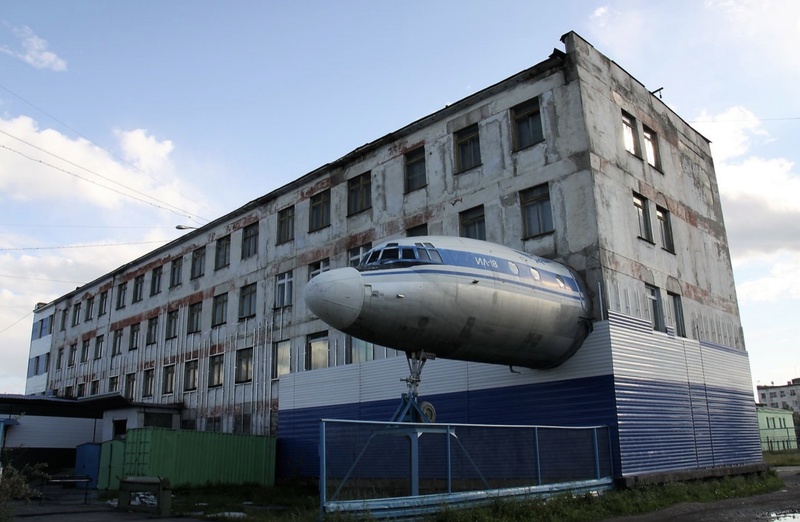
Magadan & Norilsk History
Magadan
The Magadan we know today is built on its somewhat grim history. It was founded to process and dispatch prisoners into the mineral-rich interior. The city and region functioned for two decades as the administrative heart of the Kolyma Gulag system, one of the most feared in the entire Soviet network. Hundreds of thousands passed through on their way to the camps, many never to return.
Indigenous Peoples & Early Contact
Long before any Russian set foot on this coast, the region was home to the Even, Evenki, and other indigenous peoples of the Russian Far East.
Gold and the Founding of Magadan
Gold was discovered in the Kolyma River basin in the 1920s, and it was this discovery that changed everything. The Kremlin, hungry for hard currency to fund the industrialisation mandated by their paradigm-shifting succession over the Russian Empire, established Magadan in 1930 as a supply port and administrative base for the exploitation of these reserves.
The Kolyma Gulag
Dalstroy's workforce was almost entirely forced labour. From the 1930s to the 50s hundreds of thousands of prisoners, political and criminal, were shipped east on the Trans-Siberian Railway to Vladivostok and then by sea to Magadan, before being dispersed into a network of camps across the Magadan Oblast.
Post-Stalin Decline of the Camps
With Stalin's death in 1953, the system began to unwind, and Dalstroy itself was dissolved in 1957. Many former prisoners, having nowhere else to go, remained in the region.
Magadan grew into a proper Soviet city through these decades, reaching a peak population of around 150,000 in the region's main urban centre and considerably more across the region as a whole.
Magadan became, in some unusual way, even something romanticised as an off-the-map frontier where fortunes could be sought.
Post-Soviet Collapse & Magadan Today
The decline and fall of the USSR hit Magadan harder than almost anywhere else in the country. Wages and subsidies that had made life viable dried up, and the population of the wider region collapsed by more than half within a decade, leaving behind the ghost towns and abandoned settlements that dot the Kolyma Highway today. Mining continues, now on a market footing, and Magadan persists as a smaller, tougher city than it once was, its history never far from the surface.
Norilsk History
How and Why Settlement Began
Prior to the arrival of modern Russians, the area was the domain of nomadic northern tribes such as the Evenki and Nenets. Herding animals such as Reindeer was the main activity, but all this was to change with the discovery of metal deposits in the Taymyr region. The remoteness and the costs of locating a workforce to extract the mineral wealth were beyond the state. However, Soviet planners, utilising a workforce they obtained through imprisonment, decided the effort of large-scale extraction was worthwhile, whatever the human cost.
City Founding & Norillag
The Soviet state approved construction of the Norilsk mining and metallurgical complex in 1935. This was city's founding date and which marks the establishment of Norillag, the forced labour camp tasked with building it.
Camp Life
Conditions for residents at the time were appalling. Prison labourers were replaceable and expendable, and up to twenty thousand people perished carving an industry and settlements out of the land and ground. An unusual feature of Norilsk's history is that some of its architects and planners were themselves prisoners, designing a city they had little prospect of ever leaving as free citizens.
The 1953 Uprising
Stalin's death in March 1953 set off a wave of unrest across the Gulag system. Norillag's Gorlag camp became the site of one of the most significant, with a previously unimaginable mass strike by prisoners lasting for weeks before being put down. The Norilsk uprising is remembered today as one of the earliest signs of the cracks that would eventually bring the whole camp system down.
Post-Gulag Growth
Norillag was formally closed in 1956. However, this did not lead to the abandonment of Norilsk itself.
Freed from the camp system, the city grew rapidly through the second half of the twentieth century on the back of necessarily high wages offered to attract workers this far off the grid voluntarily. Norilsk became the industrial giant it remains today and expanded in size as the population now included families and service industries expanded to accommodate the spending power of the workers.
Norilsk Today
Modern Norilsk is defined by the same mineral wealth that founded it. Now under the private oligarch-run company Nornickel.
Today’s Norilsk is a place of many contrasts. A frontier northern settlement that is so far up the map that polar bears have been known to wander into town, as well as a place with fashion boutiques, international cuisine options, and a place where the working population can easily afford foreign holidays.
A city that can look ragged and dystopian, while also being beautiful and vibrant, and a sparse population that knows the kind of place they live in, and have to make and face the decisions based on their situation in terms of geography, air quality, and how close they wish to be to the rest of society.
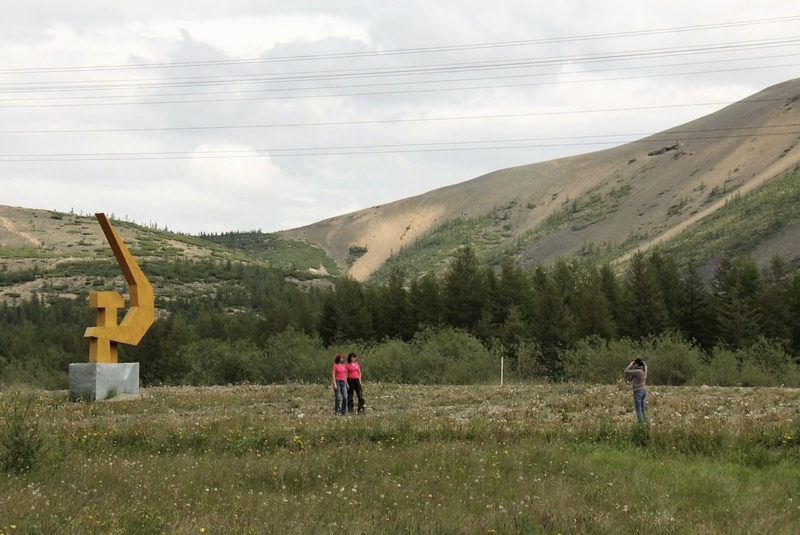
Travelling Magadan & Norilsk
Magadan
Magadan is not a straightforward add-on to a Russia itinerary, and reaching it requires genuine planning. There are few viable roads and no rail lines connecting the city to the rest of Russia. Fllights from national and regional centres operate as the standard means of arrival. Improvising a trip here is not recommended. Logistics need to be arranged well in advance.
Magadan city itself is compact and easily explored largely on foot, taking in the excellent Regional History Museum, the Mask of Sorrow memorial, and the small but characterful old port district. Magadan's museums, memorials, and monuments confront its dark history, most notably the extraordinary Mask of Sorrow, on a hillside overlooking the city.
For most visitors, the real draw lies beyond the city - the Kolyma Highway heading inland until it reaches the city of Yakutsk, past abandoned settlements such as Kadykchan, former gulag camp sites, and some of the most dramatic and empty taiga and mountain scenery in the whole of Russia.
The climate dictates almost everything about a trip to Magadan. Winters are long, dark, and severe, with temperatures far below freezing and the Kolyma Highway becoming a genuinely hazardous undertaking. Summers are short, mild, and surprisingly pleasant, with long daylight hours making late June through August the best window for travel, particularly for anyone planning to head out along the Road of Bones.
Norilsk
Norilsk is, without exaggeration, one of the most difficult cities in Russia for a foreign visitor to reach.
Cities that should not exist, built on frozen ground by forced labour, sustained today by extraordinary mineral wealth and equally extraordinary wages, and closed to all but the most determined visitors. A place of scenic wonders often glimpsed through toxic air, of contrasts and the complications of life in a remote industrial landscape, Norilsk offers a look at a side of modern Russia that very few outsiders ever witness.
Entry for foreign nationals requires a special permit, arranged as part of a tour program in advance of travel. There are no roads or rail connections to the rest of the country, so the area is basically an archipelago of settlements connected to Norilsk itself, and accessible by air from various cities around Russia.
Once inside, Norilsk rewards the motivated and interested visitor. The architecture, from camp-era relics, Stalinist central structures based around those of Leningrad, and forbiddingly vast apartment complexes, all leading out to suburban dacha areas for locals’ leisure time. All overshadowed by the towering chimneys of the Nornickel smelting complexes, which can be seen, and smelt, from much of the territory. Monuments and memorials to the city's Gulag history, including sites connected to the Norillag camps and the 1953 uprising, statuary and public art, all can be seen on a walk around any of the cities here. The climate here is even more extreme than in most of the Russian Arctic.
Despite everything known about the city, Norilsk is not the grim, hostile place its reputation might suggest for visitors. Locals are generally proud of their unlikely settlements and the achievements needed to make this a place that they now live and work, and a curiosity about outsiders who have gone to such lengths to visit is common, with curious tourists generally warmly received.
Koryo Tours has run trips to Magadan and the Kolyma region since 2011, having made personal trips, developed contacts across the region, and continues to work with trusted local partners to reach gulag sites, ghost towns, and the Road of Bones itself. From the port city to the wilderness of the interior, we offer access to one of the most extreme and unforgettable corners of Russia, as well as the support and knowledge to assure anyone coming with us that they are looked after, about to experience something unforgettable, as well as learn about a place shrouded in mystery, from those who know it best. We arrange permits and guided access to Norilsk as one of the most singular destinations available anywhere in Russia, handling every stage of what is a genuinely complex logistical undertaking so that visitors can focus on experiencing a city and area quite unlike anywhere else on Earth.