There is almost no word in the English language more archaeologically loaded than "Mesopotamia." Between the Tigris and Euphrates, in the land that is now Iraq, human beings invented writing, built the first cities, codified the first laws and laid the intellectual foundations for much of what we consider civilisation today. Basically, where it all began.
Iraq carries that weight. It also carries the weight of everything that came after. The Mongol destruction of Baghdad in 1258, four centuries of Ottoman rule, the British Mandate, Saddam Hussein's three wars, the American invasion of 2003, the rise and catastrophic fall of ISIS, and a political system so complicated it took five months of deadlock to elect a president in 2026. None of it has made the country easy to understand from the outside.
All of it has made it deeply worth visiting from the inside. Because underneath the conflict and the politics, Iraq is a country of extraordinary warmth and almost excessive hospitality.
It has some of the finest Shia Islamic architecture in the world at Najaf and Karbala. It has Babylon, the ruins of one of antiquity's most legendary cities. It has Erbil, a citadel city inhabited continuously for over six thousand years. It has the UNESCO-listed Iraqi Marshes of the south, one of the most extraordinary wetland ecosystems on earth, where water buffalo and reed houses have barely changed since Sumerian times.
Iraq is two experiences separated by a noticeably different atmosphere. Federal Iraq in the south and centre is where the ancient history lives, where the holy Shia cities draw tens of millions of pilgrims a year and where Baghdad is rebuilding itself into something more than the caricature of the past twenty years. Iraqi Kurdistan in the north is something else entirely - a semi-autonomous region with its own government, its own visa arrangement, its own distinct culture and some genuinely dramatic mountain scenery.
If you had to pick a single piece of ground and say "this is where human civilisation began," the floodplains between the Tigris and Euphrates would be a serious contender.
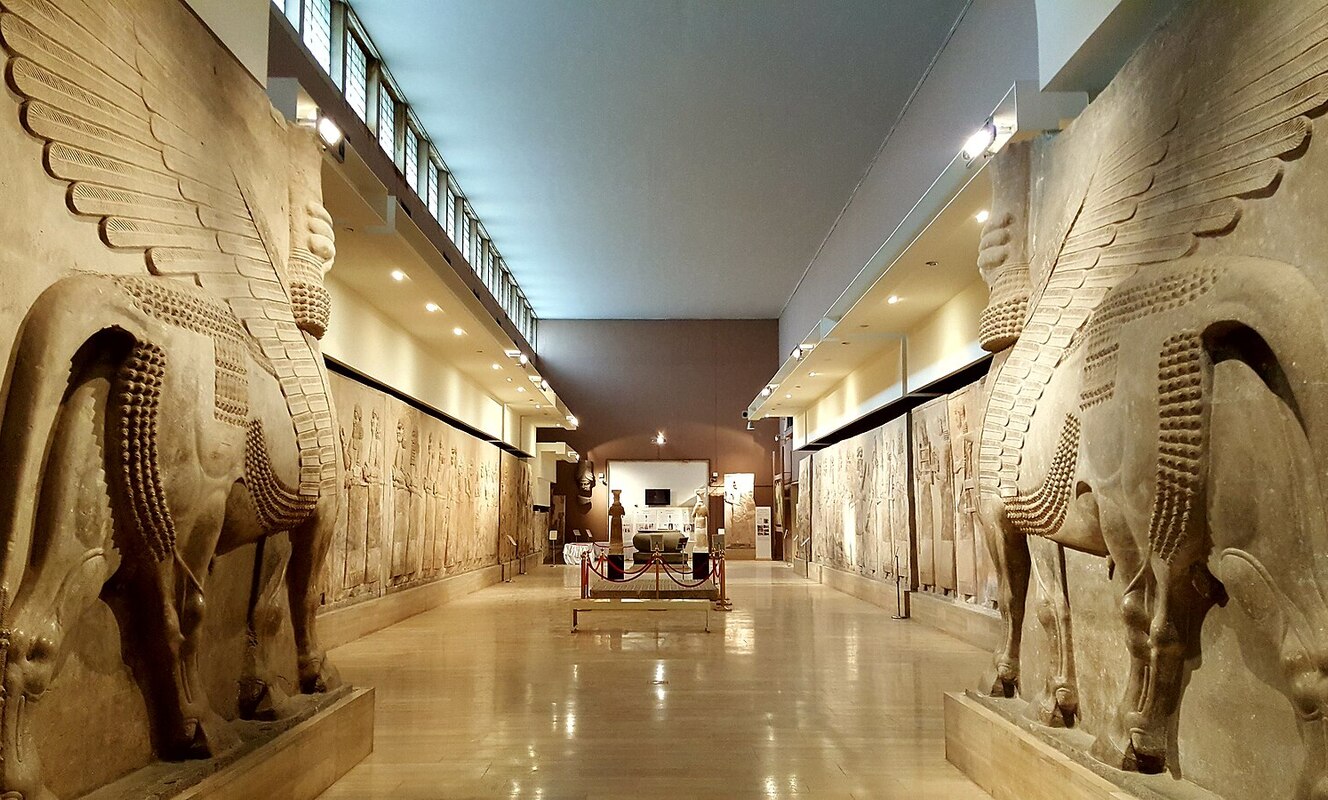
The Sumerians, who settled here from around 5000 BC, gave the world the first cities, the first written script (cuneiform, examples of which you can see in the Iraqi National Museum in Baghdad), the first codified legal system and the first recorded literature.
The Epic of Gilgamesh, written in Mesopotamia around 2100 BC, is the oldest known work of fiction in human history, predating Homer by more than a thousand years.
The civilisations that followed are the names that fill the first chapters of every world history textbook. The Akkadians, the Babylonians, the Assyrians.
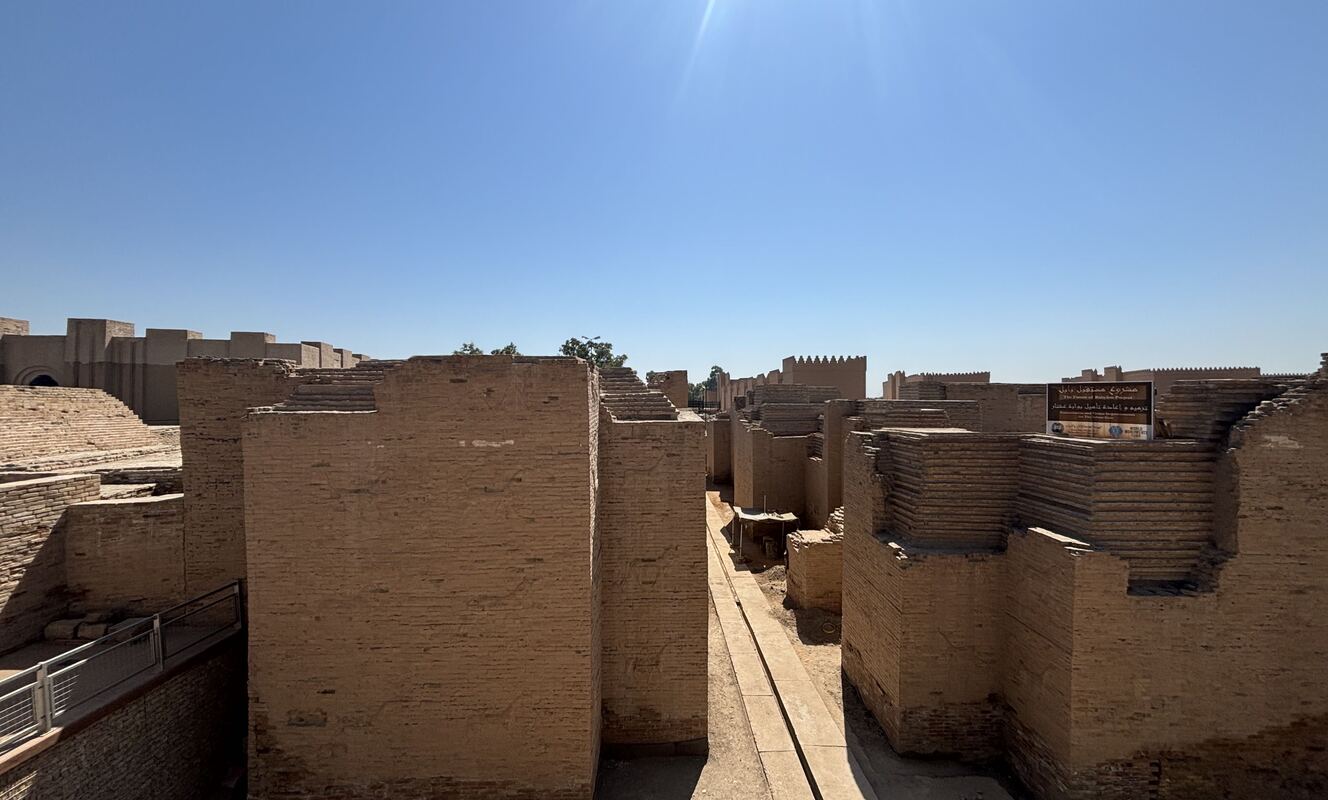
Babylon, south of modern Baghdad, was one of the greatest cities of the ancient world, home to the Hanging Gardens (one of the Seven Wonders), the Ishtar Gate and Hammurabi's Code, among the first comprehensive legal systems ever created. The Assyrians, from what is now northern Iraq, built an empire that at its height stretched from Egypt to Iran and created cities including Nineveh and Nimrud whose remains, though significantly damaged by ISIS, are still visible today.
Islam arrived in Iraq in the 7th century, and it arrived in force. Arab armies defeated the Sasanian Persian Empire at the Battle of al-Qadisiyyah in 636 AD. The city of Kufa became an early centre of Islamic learning.
Then, in 762 AD, the Abbasid Caliph al-Mansur founded Baghdad as the new capital of the Islamic world, and it became, at its height, the most sophisticated and intellectually vibrant city on earth. For several centuries during the Islamic Golden Age, Baghdad was the global centre for mathematics, astronomy, medicine, philosophy and literature.
The House of Wisdom preserved and translated Greek philosophical and scientific knowledge at a time when much of Europe had forgotten it existed.
This world ended on 13 February 1258, when Mongol forces under Hulagu Khan sacked Baghdad. Contemporary accounts describe three days of slaughter that left the Tigris stained dark with the ink of library books thrown into the river. The Abbasid Caliphate was destroyed, and the Islamic Golden Age effectively closed. Iraq never fully recovered to its medieval peak.
The Ottomans arrived in 1534 and held the territory for nearly four centuries, divided as it was among Arab Sunni, Arab Shia and Kurdish populations with very different loyalties and interests.
When the Ottoman Empire collapsed after the First World War, Britain created the modern state of Iraq, drew its borders without great sensitivity to the communities living within them, installed a Hashemite king in 1921 and granted formal independence in 1932. It was a construct built on insufficient foundations.
After a series of coups and military governments, the Ba'ath Party seized power in 1968 and Saddam Hussein consolidated personal control of the country by 1979.
His three decades of rule were characterised by extraordinary brutality and extraordinary strategic miscalculation. He invaded Iran in 1980, beginning an eight-year war that resolved nothing. In 1988, he ordered chemical weapons attacks on Kurdish villages, including Halabja, killing thousands of civilians. In 1990, he invaded Kuwait. The international coalition assembled in response devastated his military in six weeks, stopped short of toppling him and left Iraq under punishing UN sanctions throughout the 1990s.
The US-led invasion in March 2003, launched on the basis of intelligence about weapons of mass destruction that proved to be false, toppled Saddam's government within weeks.
What followed was not the swift democratic transformation its architects had hoped for. The disbanding of the Iraqi army and the failure to plan adequately for the post-invasion period created the conditions for a devastating insurgency, and then a civil war, and then the rise from 2013 of a group calling itself Islamic State, ISIS or Daesh.
By 2014, ISIS controlled vast stretches of northern and western Iraq, including the city of Mosul. The destruction they left behind, including the deliberate demolition of ancient Assyrian sites at Nimrud and the mass murder of Yazidis, Shia Muslims and others, was catastrophic.
The campaign to retake Iraqi territory from ISIS took three years of brutal fighting. Mosul was liberated in July 2017 after nine months of some of the most intense urban warfare since the Second World War. The defeat of ISIS as a territorial entity was declared in late 2017. Its legacy in terms of destroyed sites, displaced communities and unexploded ordnance will take decades to address.
Iraq today is a country in mid-recovery, and the recovery is visible if you look for it.
Sites are being restored, Baghdad is rebuilding, and Kurdistan is booming. It is also a country that remains deeply complicated politically.
The power-sharing arrangement inherited from 2003 generates regular deadlock (the 2025 elections did not produce a president until April 2026), and Iran-backed militias continue to operate in ways that sometimes challenge the official state. This complexity is part of what makes visiting worth the effort.
Iraq is not simple. But it is extraordinary.
Iraq is considerably more accessible to organised group travel than most people expect, and it has been for several years.
The country is divided into two very different travel experiences, and it is worth understanding the distinction before you arrive.
Federal Iraq, covering the centre and south, is where the ancient Mesopotamian heritage lives, where the holy cities of Najaf and Karbala draw millions of Shia pilgrims a year, and where Baghdad sits, rebuilding on the banks of the Tigris.
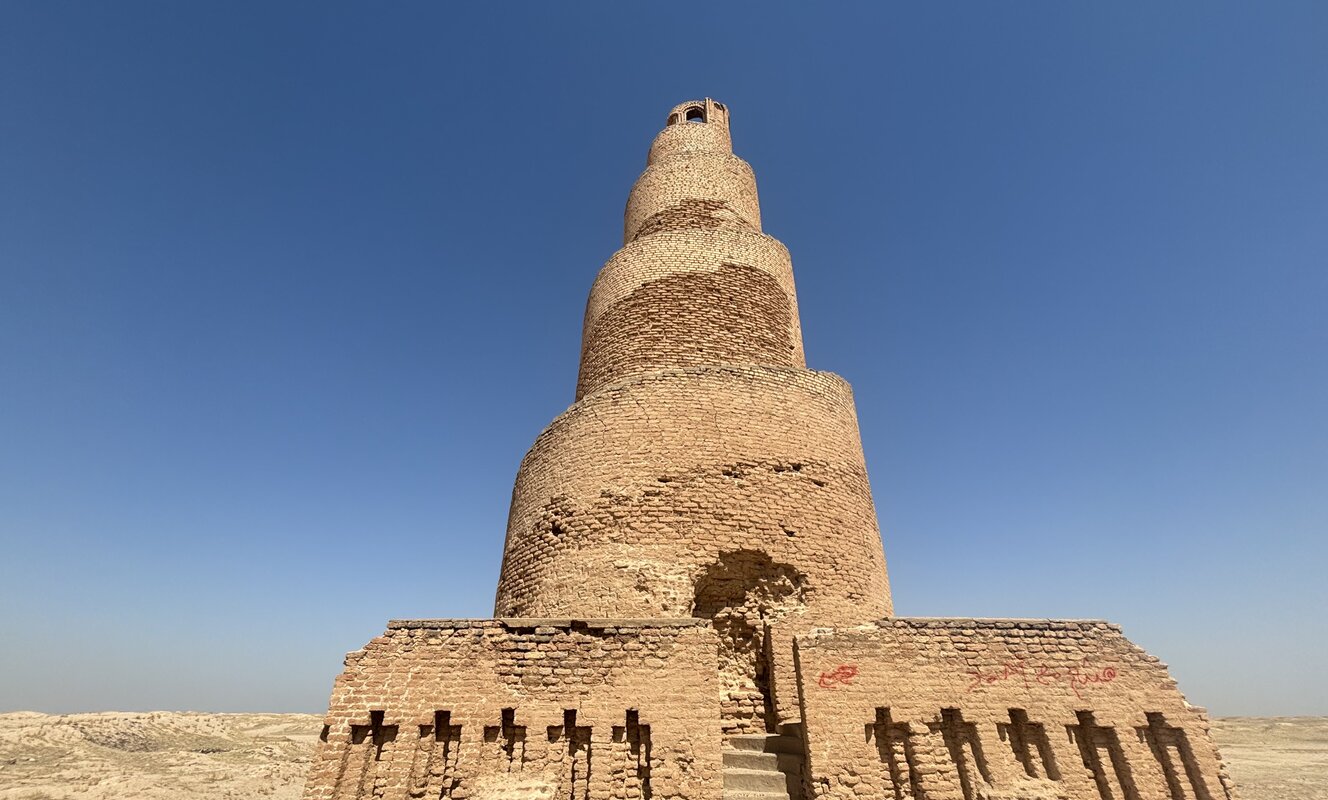
This is where Babylon is, where Samarra's extraordinary spiral minaret rises from the plains, and where the UNESCO-listed marshes of the far south offer one of the most unusual overnight experiences on any Koryo Tours itinerary - a night in traditional reed houses among the water buffalo, with a boat trip at dusk across a landscape unchanged since ancient times.
Iraqi Kurdistan, in the north, is something else entirely.
It is a semi-autonomous region that effectively functions as a separate administrative entity, with its own government, its own security forces and a considerably more relaxed atmosphere. Erbil, the Kurdish capital, is home to a citadel continuously inhabited for over six thousand years and is one of the most enjoyable cities we visit anywhere.
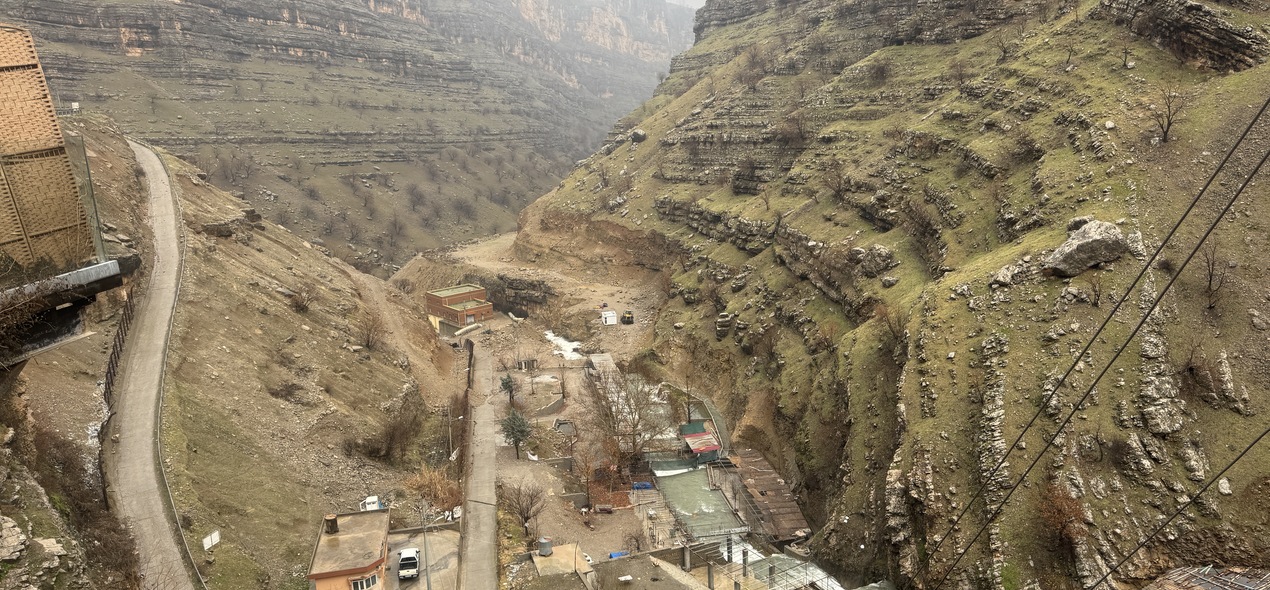
The mountain scenery of the Zagros range is dramatic.
The Yazidi holy site at Lalish is spiritually significant and visually extraordinary. Kurdistan is the more straightforward half of Iraq to visit, and its combination of hospitality, history and landscape justifies the journey on its own.
Ssince March 2025, most nationalities require an e-visa for Federal Iraq, applied for in advance. Iraqi Kurdistan has its own visa arrangements, with some nationalities eligible for visa on arrival at Erbil or Sulaymaniyah airports. US Dollars are the most useful currency to bring. The Iraqi Dinar is the official currency but dollars exchange easily in all cities. ATMs in Kurdistan are more reliable than in the south. Cash is essential throughout.
Do I need a visa to visit Iraq?
Is Iraq safe to visit?
What is the best time to visit Iraq?
How do I get to Iraq?
What is the difference between Iraqi Kurdistan and Federal Iraq?
Travel through Iraq and the wider region and you keep bumping into prophets. Abraham, Jonah, Job, Daniel. Here is a friendly guide to who’s who, and how prophethood actually works in Islam.
Read full storyTraditional reed housing, sunrise boat cruises, and fresh buffalo milk
Read full storyWhat to Wear in Iraq as a Woman: Clothing Tips for You!
Read full storyKoryo Tours understands that some things don't always go to plan. Our generous refund policy on all Iraq tours means that you can leave a deposit risk-free and receive 100% refund on the deposit amount if you cancel within 40 days of the trip. We're also happy to hold your deposit for a future trip if you can't make it at the last minute. Your Iraq tour with Koryo starts the minute you find us here. So, we want you to have the best Koryo Tour possible!
You can read our full Terms and Conditions here.
[email protected] | + 86 10 6416 7544
WhatsApp (message only): +44 7822 014058