Introduction to Socotra
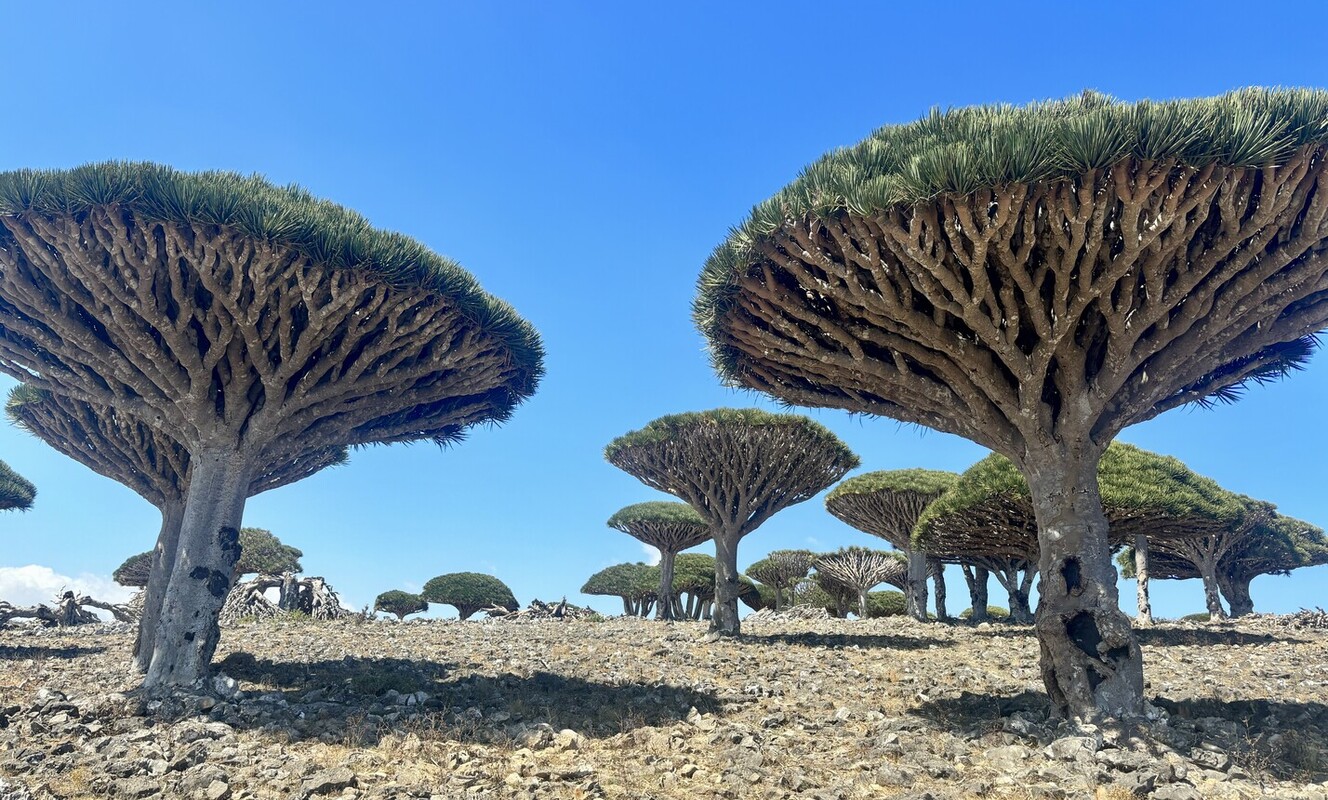
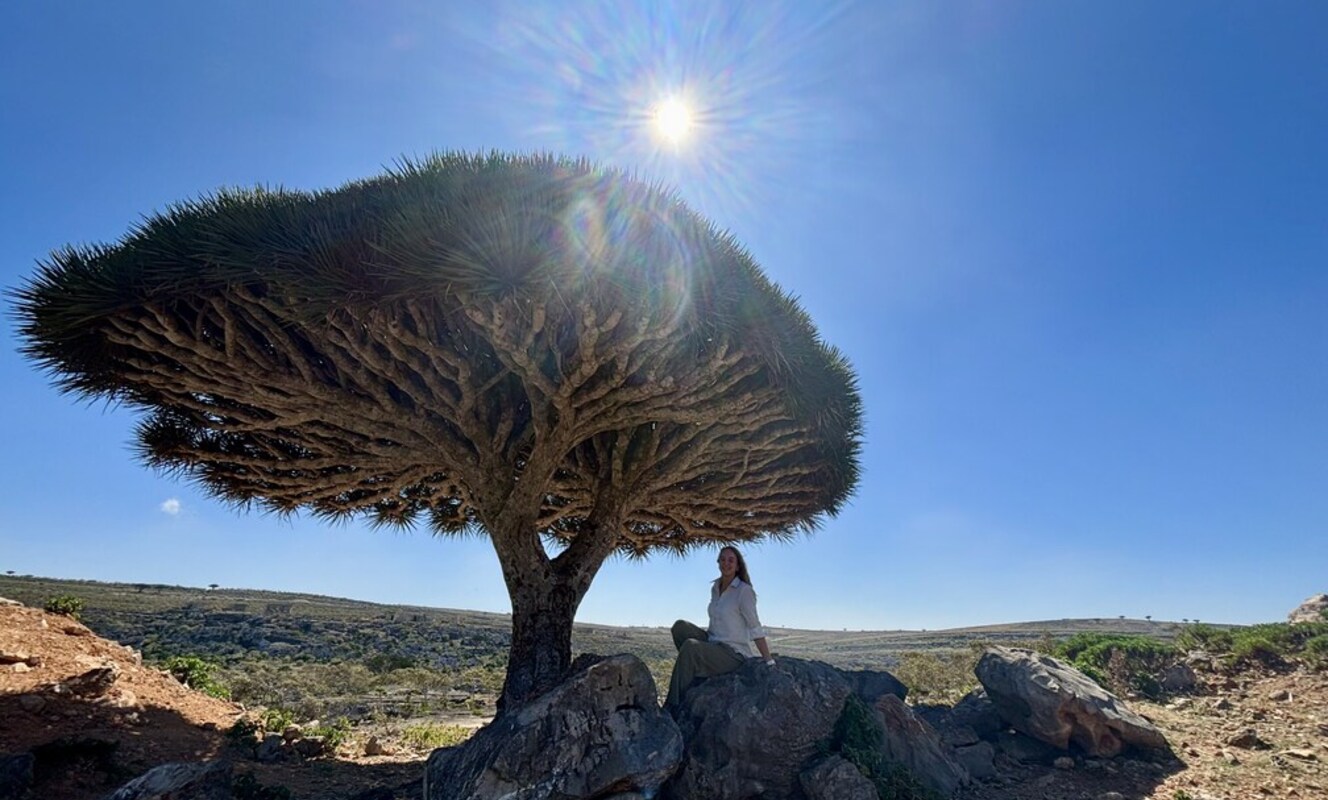
Mainland Yemen may be a story of ancient civilisations, Cold War division and a country mid-conflict, but Socotra tells a different story entirely. The island of Socotra is so biologically isolated for so long that roughly 37% of its plant species exist nowhere else on Earth. The famous Dragon blood trees look like something designed for an alien world, their flat-topped canopies spreading blood-red sap that drips like resin from another era. White sand beaches with almost no one on them. Camping under skies so dark and clear they feel like a different atmosphere.
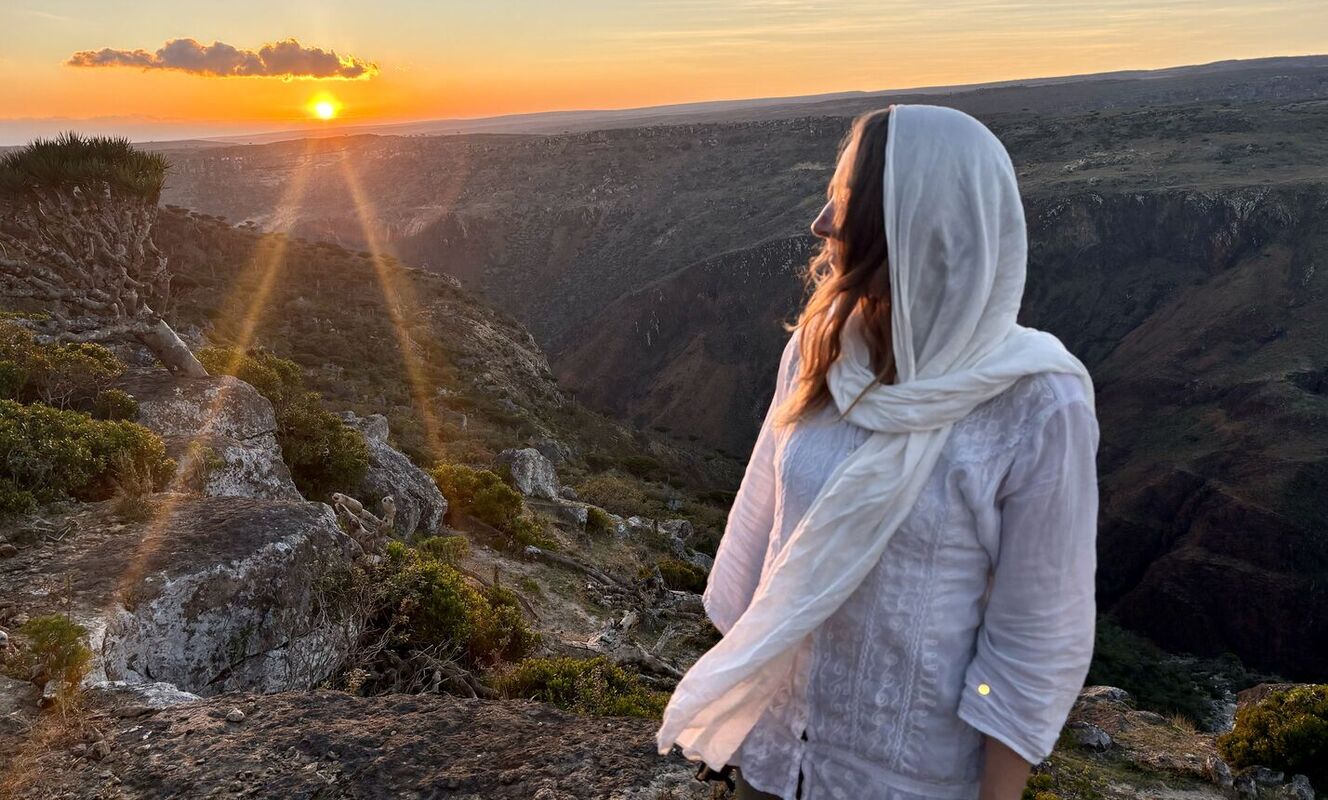
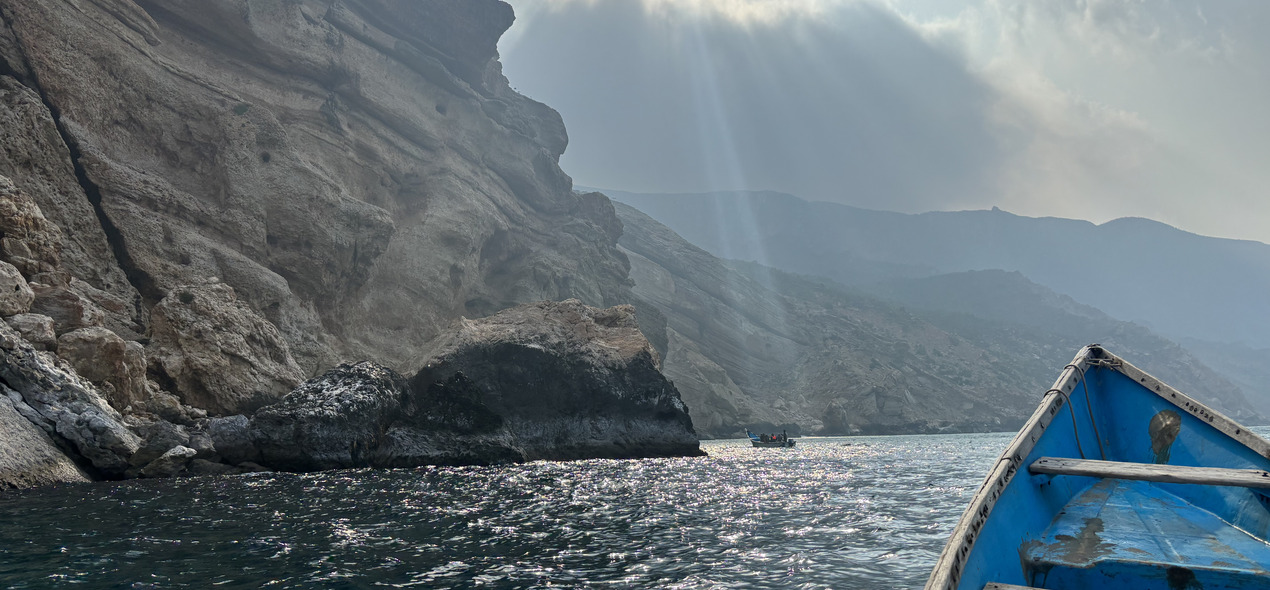
Socotra has been called the most alien-looking place on earth, and once you visit Socotra, you'll realise this really isn't an exaggeration. There's a different landscape around every corner.
UNESCO listed it as a World Heritage Site in 2008 for its biodiversity. The Galapagos of the Indian Ocean is the other shorthand people reach for, and it is not far wrong.
A History of Socotra
Socotra's history has always run slightly apart from mainland Yemen's. It has always been somewhat detached from it.
Known to ancient Greek and Roman geographers as Dioscorida, the island sat on critical sea lanes connecting the Red Sea to the Indian Ocean and served as a watering and supply stop for traders for centuries.
1876 - 1967
The Portuguese briefly occupied it in the early 16th century, building a fort at the settlement now known as Suq. The British, as part of their consolidation of the Aden Protectorate, declared Socotra a protectorate in 1876.
When South Yemen achieved independence in 1967, Socotra became part of the new Marxist state, and then part of unified Yemen in 1990.
2018 Onwards
Its distance from the mainland has always been its protection. Yemen's various conflicts have barely reached it.
Since 2018, however, the island has been drawn into a different set of geopolitical currents. UAE troops arrived that year, establishing a presence that for several years gave Abu Dhabi considerable influence over the island, including control of its airport and key infrastructure. That chapter ended abruptly in late 2025, when shifting tensions between Saudi Arabia and the UAE prompted an Emirati withdrawal and a suspension of flights via Abu Dhabi. Flights have since resumed via Jeddah.
Travelling Socotra Island
Getting There
Currently, the gateway to Socotra is either via mainland Yemen or via Jeddah. They are not regular, occurring around once a week. Flights are typically not possible to book yourself, so you will have to book a tour and organise the flights through the operator.
Socotra is accessible only between roughly October and April, when the Indian Ocean monsoon has passed. You have to secure a visa in advance of your trip to Socotra. Again, this must be done with a local registered tour provider.
The Practicalities
Independent movement on the island is not permitted. And entirely not possible anyway, due to infrastructure - or lack thereof. You will travel with local guides and drivers in 4WD vehicles, and for much of the island, camping is the accommodation of choice. There are limited hotels in Hadibo city and also glamping options. There are no ATMs anywhere on Socotra. Bring US Dollars.
Camping in Socotra
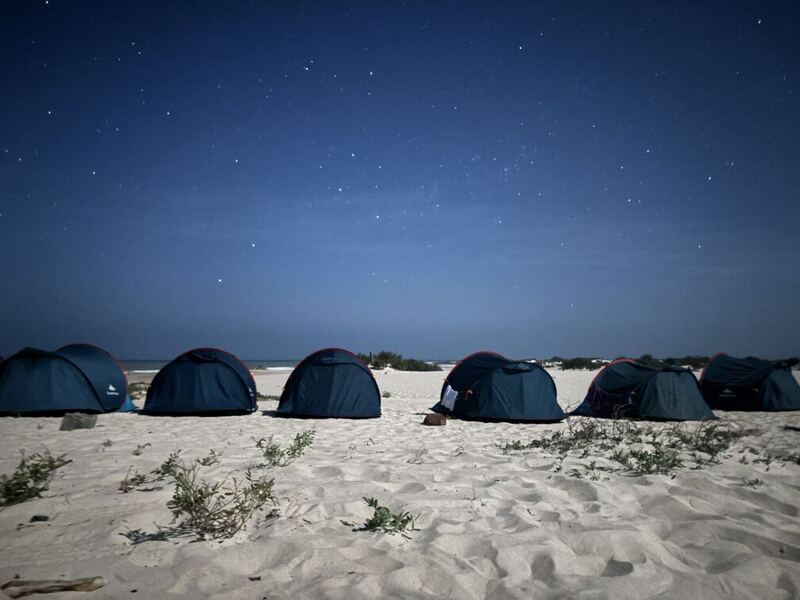
The best way to see Socotra is by camping. You travel with a team of drivers and chefs who prepare the campsite every single night. You have your own private tent set up for you and simple bedding is provided. The team set up a dining area in each campsite for relaxing. Bathroom and washing facilities will be limited. If you're a seasoned camper, it's a fairly comfortable experience. If it's your first time camping, it's a great introduction to this style of accommodation. If you don't like camping, you may find it a little challenging - but potentially still worth it!
Visiting Socotra is not for first-time travellers. Although Socotra is stable and safe, it is a remote island and you are still in a region that is not necessarily. Unrest, as well as local weather conditions, may impact local flights and infrastructure. It's an adventurous trip, but an incredibly rewarding one. Think early mornings waking to the sound of the sea, followed by a day of exploring, and late afternoons at camp before an early night in bed.
Visit now, before everyone else does.