Timorese food maybe unknown to many, but with deep history of Portuguese rule, Indonesian influence, Goan spices, it maybe one of the most unique cuisine that you can't find anywhere else on earth. Here is what to order.
I probably like food a bit too much, always going on about some dish or delicacy I just tried.
A food addict, or a foodie, if we're being polite about it.
Growing up in Indonesia, I ate my way through dishes from all over the country, including Timor Timur, back when it was Indonesia's 27th province.
Let's talk about why Timorese food deserves a lot more attention than it gets.
Why Timorese Food Doesn't Get Talked About Enough
Dishes to Look Out For
Drinks Worth Trying
Practical Information
Why Timorese Food Doesn't Get Talked About Enough
Have you ever heard how good Timorese food is? No?
You're not alone, and that's a shame.
Why is that? All of these are the factors why you have never heard of Timorese food in the mainstream media.
- Part of it comes down to timing, Timor-Leste only became independent in 2002, after 24 years of Indonesian occupation, hardly the conditions for building a food reputation abroad.
- Part of it is size, a small, remote country with limited flights in, and a tourism scene still finding its feet - still undiscovered by the mainstream tourists.
- And part of it is that outsiders tend to lump it in with Indonesian cuisines and culture altogether, so it's never really had the chance to be known on its own terms.
Which is a shame, because centuries of Portuguese rule, a long, complicated relationship with Indonesia, a touch of Goan-Indian flavour from old Portuguese trade routes, and a landscape running from coastline to highland, it all shows up on the plate. All very unique and delicious.
Expect grilled fresh fish, corn and bean stews, plenty of chilli, and coffee to enjoy in a street food stall with locals.
Dishes to Look Out For
Keep an eye out for any of these local dishes to try:
Batar Daan
Batar Daan is the unofficial Timor-Leste national dish, it's a simple stew of corn, mung beans, and pumpkin, cooked down with garlic and onion, sometimes with a splash of coconut milk.
Ai Manas
Ai manas is a chilli relish, green or red chilli ground with garlic, lime rind, red onion, and ginger, that varies from household to household. It's a hot sauce (called sambal, in Indonesian)
A small but powerful choice of condiments, and will add a punch of flavours to whatever dish you're eating!
Ikan Sabuko
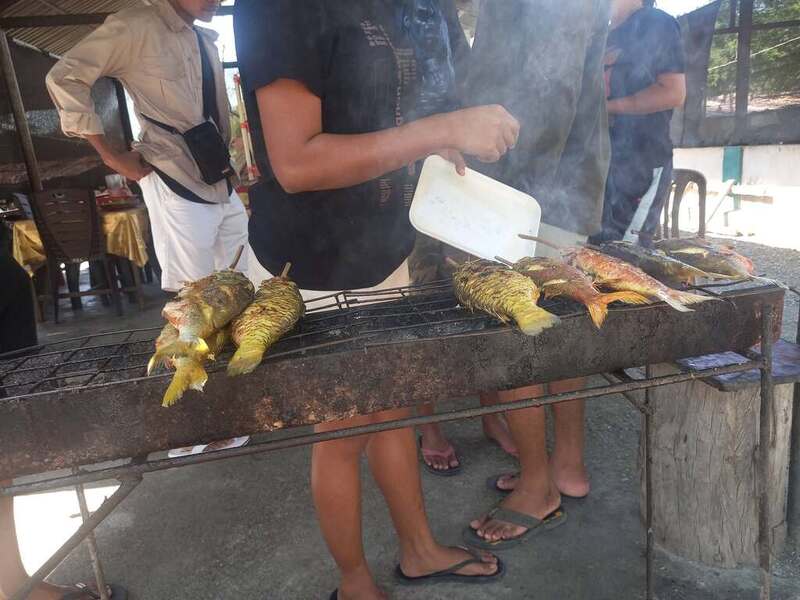
Ikan Sabuko is usually grilled mackerel or tuna, marinated in tamarind, lime, garlic, chilli, and basil, cooked over charcoal, often with coconut husks thrown in for extra smoke.
Dili's waterfront stalls along Rua de Praia are the classic spot. Pick your freshly caught fish off the ice, watch it hit the grill, eat as the sun goes down.
Ikan Pepes
Similar to ikan sabuko: ikan pepes takes a whole fish, or fillets, and wraps it in banana leaves with a spice paste made from turmeric, tomato, shrimp paste, lemongrass, tamarind, and chilli, before steaming or grilling it in the leaf.
The banana leaf keeps everything moist and infuses the fish with a slightly grassy, aromatic flavour you don't get from a straight grill. Chicken and vegetable versions exist too, but fish is the classic.
Tukir
Tukir is rooted in an ancient technique where meat, usually goat, packed into a length of bamboo and slow-roasted directly over an open fire, resulting the finished meat to be tender and faintly smoky.
Unfortunately, it's not something you'll find on every day menu, as it is a dish for special occasions.
Your best bet is to find them in markets in Baucau and Viqueque, and it's often made to order rather than kept sitting around, so it's worth asking ahead if you want to be sure of trying it.
Feijoada Timorense
It's a clear Portuguese-influenced dish. A hearty stew of pork, chorizo, and beans, slow-cooked until it falls apart. Usually served as a special occasion dishes rather than everyday food.
Caril
This Timorese curry dish is a legacy of Portuguese and Goan trade, usually chicken with coconut milk and roasted capsicum, milder and creamier than an Indian or Thai curry.
It's a local favourite comfort food, and a good break from grilled fish or seafood.
Bibingka
Another Portuguese legacy of a grilled, layered coconut rice cake. It comes in the form of dense small squares, with a sweet and chewy texture, closer to a coconut cake than a Western dessert.
Tapai
Tapai, or sometimes spelt 'tape' is fermented rice or cassava, wrapped in banana leaf until it turns sweet and faintly alcoholic.
An acquired taste for sure!
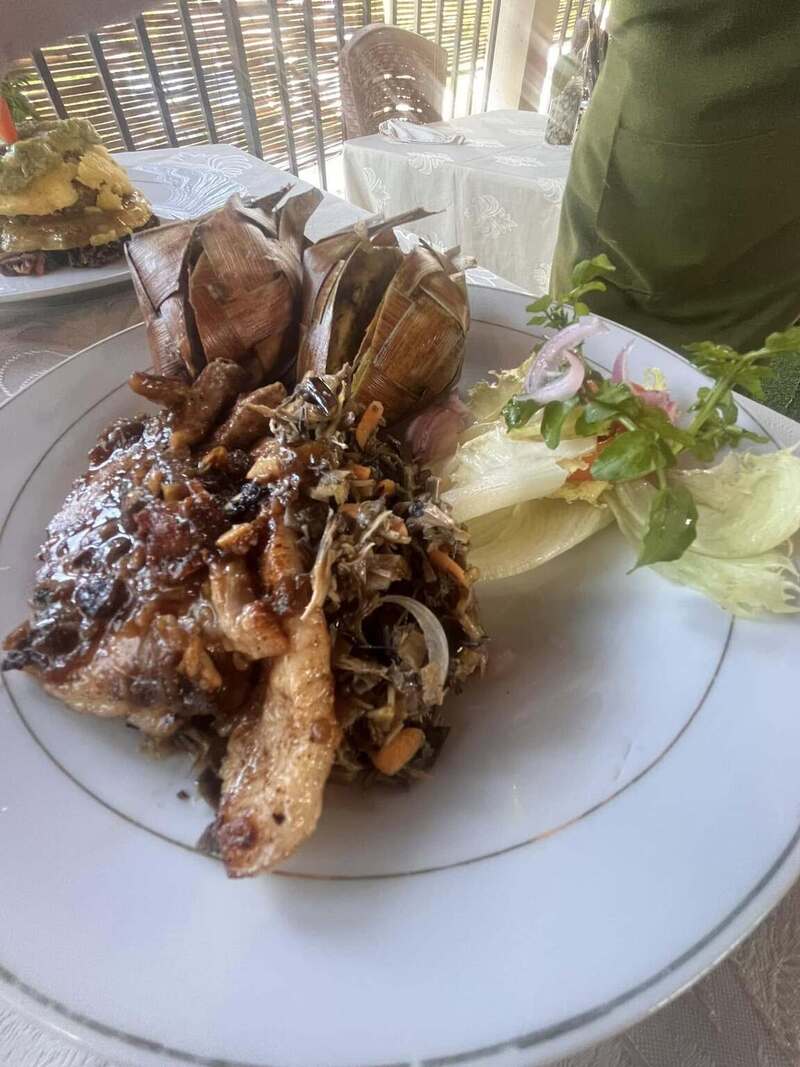
A typical Timorese dish!
Local Timorese Drinks Worth Trying
Timorese Coffee
The Portuguese introduced coffee in the 1800s, and Timor is the perfect place to grow it to produce coffee beans with balanced acidity and fruity, chocolatey notes from volcanic soil.
It's now the country's biggest non-oil export, and in the heartland of Maubisse, in the highlands, you can find plenty of cafés for a tasting and a bag to take home.
Tua Sabu and Tua Mutin
Tua sabu is palm wine tapped from lontar palms, mildly alcoholic and slightly sweet, and you can find it along the roadside in recycled bottles.
Tua mutin is the distilled, stronger version. Both show up at ceremonies and gatherings. If you're offered a cup, it's polite to accept.
Bir Bintang
Technically Indonesian beer, Bintang Beer is a local alcoholic staple in Dili and most larger towns (same as in Bali).
It's a local expats and NGO crowd's ritual to sip a cold one by the Dili waterfront, if you care to join in.
Betel Nut
Not a drink, but you'll see it everywhere. Chewing betel nut is a social custom, very deep-rooted in the Timorese culture and often offered to guests as hospitality.
Mildly stimulating, it stains the mouth red.
Worth trying a small amount if offered and if you're brave enough. You'll see it everywhere. But it's truly a horrific taste and you'll never, ever, want to try it again.
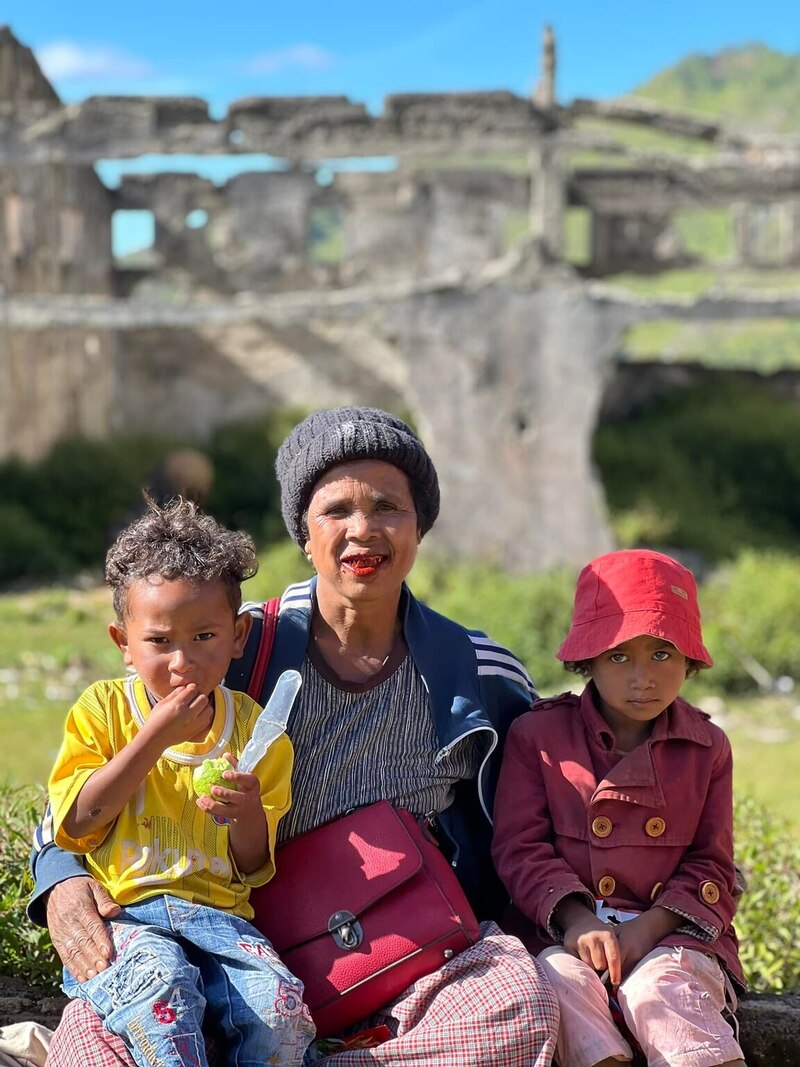
Chewing betel nut
Practical Information
A few things to note -
- In Dili, the markets and beachfront grills are highly recommended (otherwise you can go to the more posh international restaurants, often visited by foreign NGOs workers and expats)
- Street food is generally safe at busy stalls where you can watch it being cooked, and they are some of the best value eating around ($3-7 a meal).
- Tap water isn't safe, so stick to bottled water.
- Make sure you have small USD bills to pay ($1 and $5 bills are recommended) as many of these small establishments don't take credit or debit cards.
Koryo Tours
Group Tours to Timor-Leste
Share

Halef Gunawan
Halef is Marketing Specialist and Tour Leader at Koryo Tours
Born and raised in Indonesia, he moved to the U.S. for college and later pursued full-time travel in 2019. Stranded in Sabah, Malaysia, during COVID, he and his partner, along with their German Shepherd, Kana, embraced van life and have been exploring North America since 2020.
📷 Instagram | 🇮🇩 Instagram (Bahasa Indonesia)
My First Koryo Tours Adventure in Syria During Ramadan (and the Iran War)