These are the three must-see UNESCO World Heritage Sites in North Korea. Each site offers a different perspective on Korea’s past, from ancient tombs to royal capitals and sacred mountains.
We have tourists to DPRK who visit just to collect revolving restaurants, dioramas, or rollercoasters… or even the country alone. But also a number who come to see three of North Korea's UNESCO World Heritage Sites.
Here is a guide to three of North Korea's UNESCO World Heritage Sites.
The Complex of Koguryo Tombs
Historic Sites and Monuments in Kaesong
Moung Kumgang
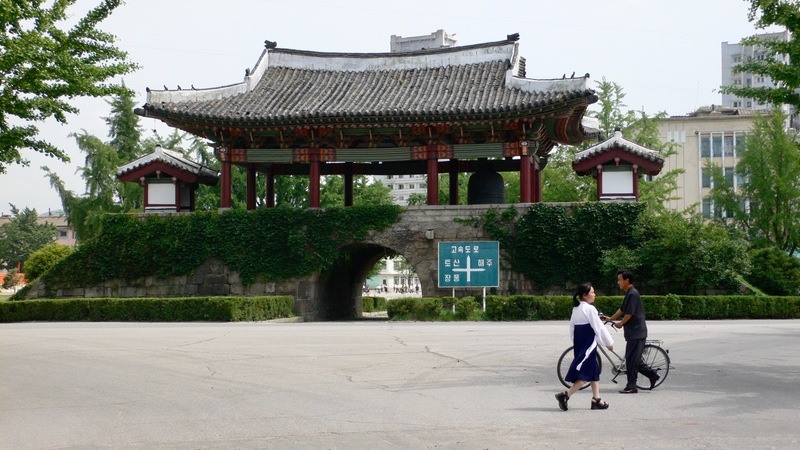
The Complex of Koguryo Tombs
Tomb with a View!
In 2004, several group and individual tombs from the Koguryo Kingdom, located in North Korea, were designated as UNESCO World Heritage Sites.
The Koguryo Kingdom flourished in Northeast Asia from the 1st century BC until the 7th century AD, a regional power that kept aggressive neighbours at bay for over 700 years.
At its peak, it extended from the Korean Peninsula to the edges of the Primorsky Region and the Songhua and Liao Rivers in China.
What to see there?
Viewed from outside, the tombs appear as a large mound of earth covering a stone burial chamber.
Several of the tombs intended for the royal family and nobility have multiple stone chambers with impressive wall paintings.
The art depicts daily scenes, religious customs, and mythology. Only 90 out of more than 10,000 Koguryo tombs discovered in China and Korea so far, have wall paintings.
North Korea UNESCO World Heritage Site Location
63 of the UNESCO tombs are located around Pyongyang.
The easiest to visit is the Tomb of King Tongmyong, an hour's drive outside Pyongyang.
On independent tours, it is possible to visit a number of the other tombs with an access fee as well as a hefty USD 100 for photography.
If you are short of time or funds, then the Central Art Gallery in Pyongyang has excellent replicas of the wall paintings.
The White Tiger or Blue/Azure Dragon, which make up two of the guardians of the four cardinal directions, are particularly impressive.
Check out this site. It gives a great introduction to the variety of tomb paintings, as well as this YouTube Video.
Historic sites and monuments in Kaesong, UNESCO World Heritage Site
Kaesong City and its environs reveal various elements from the time the city was the capital of the Koryo dynasty (918-1392).
The various sites underline the political, cultural, philosophical and spiritual values of the unified Koryo state as it transitioned from Buddhist to Confucian philosophy.
Read our full Kaesong Travel Guide for free
Typical sites a tour would take in are;
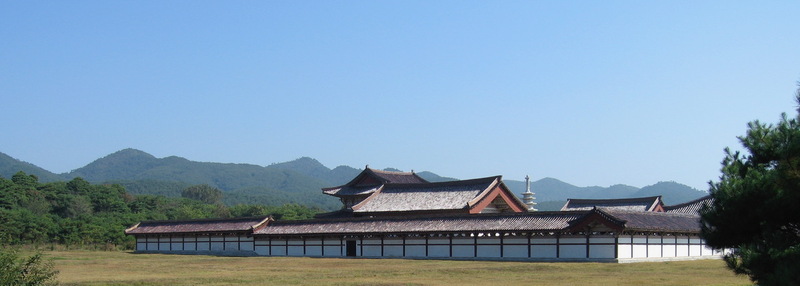
Namdae Gate
Songgyungwan (Confucius University)
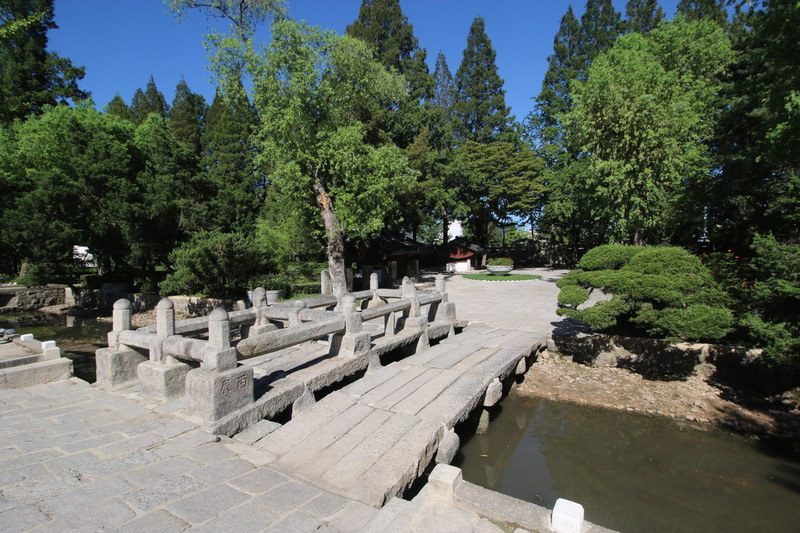
Sonjuk Bridge - Complete with blood-stained stone (natural stain, but we don't want to ruin a good story!) marking the stabbing of a Koryo minister, which brought about the end of the Koryo dynasty.
Just outside the city are the mausoleums of King Kwang Won and King Kongmin.
Our favourite Korean myth comes from the geomancer who was tasked with locating the site for King Kongmin’s mausoleum, only to lose his head due to an error in communication.
Moung Kumgang
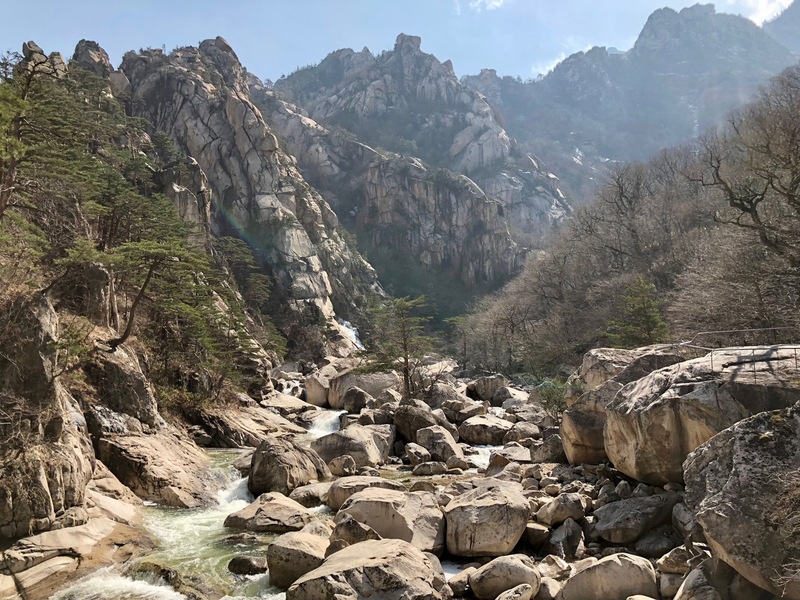
In 2025, Mount Kumgang was selected as a UNESCO site. It is renowned across the peninsula as a mountainous and coastal area of exceptional beauty.
A sacred mountain with Buddhist temples, stupas, and carvings dating back to the 5th century.
Not always possible to get access, but if it is allowed certainly well worth the visit.
The mountains straddle the division of the Korean peninsula and in the recent past, represented the promise of reunification.
It is also home to the mystical and beautiful Kumgang fairies.
Further North Korean UNESCO World Heritage Sites?
For the moment, it is just these three sites in the DPRK that are registered.
However, there is a tentative list to join the UNESCO World Heritage Sites.
This is a list of the following sites -
Ryongmum
Songam Caves
Coastal Wetlands in the West Sea of Korea
Historic relics of Koguryo’s capital city in Pyongyang.
Let's see how the UNESCO World Heritage Sites of North Korea develop over the years.
Koryo Tours
Experts
in North Korea Travel
Since 1993
Share