White sand, some of the clearest water in the country, and a boat ride to the very edge of Timor-Leste. Jaco Island is one of the most beautiful places you'll never spend the night.
Jaco Island sits at the most eastern end of Timor-Leste, a short boat ride from the mainland and about as far as you can get from Dili without leaving the country.
The island is uninhabited, undeveloped by choice and beautiful, but staying overnight is not allowed.
Jaco Island is a sacred ground for the Fataluku people, who live in the villages closest to it.
Here is what to know before you visit.
Introduction to Jaco Island
A Few Things to know about Jaco Island
What to See and Do
What to Eat Near Jaco Island
Getting to Jaco Island
Where to Stay
Practical Tips
Frequently Asked Questions (FAQs)
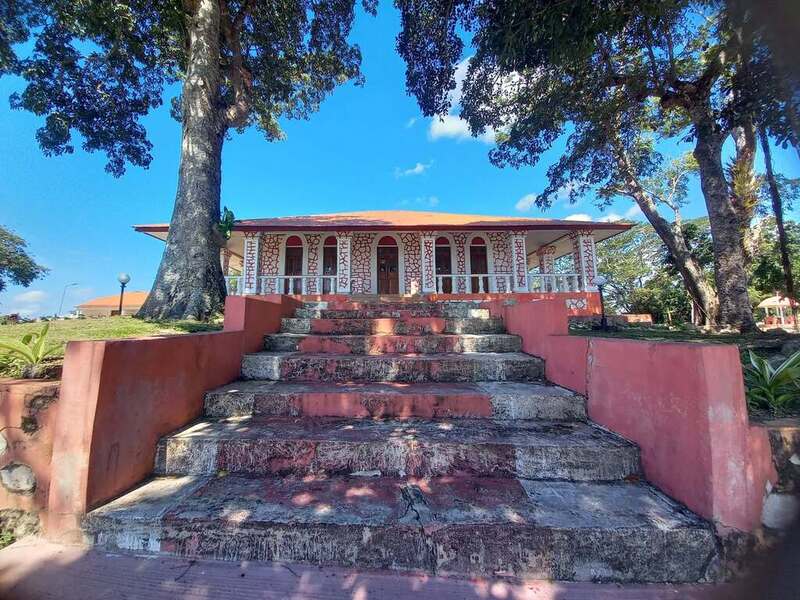
Historic Pousada Tutuala, Lautem
Introduction to Jaco Island
Jaco Island sits roughly 700 metres off the far eastern tip of mainland Timor-Leste, in Lautem District, separated from the coast by a narrow channel.
The island itself is small, around 10 square kilometres, uninhabited, and left almost entirely wild, with thick bush covering the interior and no paths cutting through it.
What draws people out this far is a combination of things rarely found together anywhere else in the country... white sand beaches, some of the clearest water on the Timorese coast, and a level of cultural significance that keeps the island protected from the kind of development that's changed so many other beautiful places.
A Few Things to know about Jaco Island
The Spiritual Head of the Land
To the Fataluku people, whose territory covers this easternmost corner of Timor-Leste, Jaco holds a specific and important role in how the wider landscape is understood.
The island is viewed as the spiritual "head" of the land, with the rest of the country understood as its body, marking Jaco's importance in the local culture.
A Longstanding Rule
Visiting Jaco during daylight hours has always been acceptable, but staying overnight has not.
This is a cultural norm that predates organised tourism entirely, and it's the main reason the island has stayed untouched.
Part of a National Park
Jaco Island is part of the Nino Konis Santana National Park, Timor-Leste's first and only national park, established in 2007.
The park covers a wide stretch of the country's far east, including mangroves, coral reefs, dry tropical forest, and a number of significant archaeological sites.
What to See and Do
There isn't much built infrastructure on Jaco, and the only things to do in Jaco Island is all, well, beach life -
- The beaches - soft white sand and some of the clearest turquoise water anywhere in Timor-Leste, with views back across the channel to the cliffs of Tutuala.
- Snorkelling - patches of coral sit just offshore, though currents here run stronger than at more sheltered sites like Atauro. There's nowhere to rent gear locally, so bring your own if you want to get in the water properly.
- The whale bones - an unexpected sight near where the boats land: a set of whale bones that's become something of a local landmark on the island.
- Wildlife - Surprisingly, you can find a number of deer despite having no reliable fresh water source, and it's an important site for birdlife, including several rare and Timor-endemic species.
- The crossing itself - the short boat ride over from Valu Beach is part of the experience, offering some of the best views in the country back toward the mainland cliffs.
What to Eat Near Jaco Island
There's nothing to eat on Jaco itself. No shops, no facilities, nothing beyond what you bring with you. No, nothing.
Valu Beach and the village of Tutuala are where you can have a proper meal, if that's something that you're looking for.
Guesthouses in the area can prepare simple meals on request, often including a hearty breakfast and dinner as part of the room rate, and it's worth bringing your own snacks and water for the island itself, since nothing is available there once you cross over.
Getting to Jaco Island
Visitors travel to Jaco Island often see this as a challenging journey by itself (in step-by-step 'How to get to Jaco Island from Dili):
- From Dili, the 8-10 hour drive east runs along the north coast through Manatuto, Baucau, and Lautem before climbing onto the Tutuala plateau. An overnight stop in Baucau or Com to break the travel day, and a 4WD vehicle are recommended.
- From Tutuala village, a steep and rocky path drops down to Valu Beach in around 30 to 45 minutes.
- From Valu Beach, local fishermen ferry visitors across the channel to Jaco in about 10 minutes, weather depending.
And then you'll be rewarded by the pristine tropical beauty of Jaco Island beaches, one of the last places on earth to experience.
Remember that you'll have to catch the boat ride back before sunset (time for a pickup will have to be arranged by your operator).
Where to Stay
Since staying on Jaco itself isn't an option, most visitors base themselves at Valu Beach or in Tutuala village nearby. Here are a few options to stay in these places -
- Valu Sere Beach Bungalows offers simple, community-run rooms right on the beach.
- The nearby Lakumorre Guesthouse (also known locally as Pousada Lautem) provides a slightly more comfortable option with ensuite rooms.
- The Portuguese-era Pousada de Tutuala, perched on the cliff edge above the beach, is one of the most photographed buildings in the region and a memorable place to spend a night either side of the Jaco crossing.
- A handful of local homestays in Tutuala village round out the options for anyone travelling on a tighter budget.
Practical Tips
A few things worth knowing before visiting Jaco Island -
- You cannot stay overnight on the island. This rule is taken seriously and should be respected without exception, arrange your boat pickup time with the fishermen before you head across.
- Bring cash. There are no ATMs anywhere near Tutuala or Valu Beach, so bring everything you'll need for accommodation, meals, and the boat crossing.
- The water currents are stronger than they look. Mornings tend to bring calmer seas, and it's worth asking local boat operators for guidance before swimming any real distance from shore.
- Bring your own snorkelling gear. There's nowhere to rent it locally, and nothing at all available once you're on the island.
- Visit in the dry season if possible. Roughly May through November brings calmer seas and considerably easier roads than the wetter months.
- Leave nothing behind. Jaco's remoteness hasn't kept it entirely free of washed-up plastic and visitor litter, so pack out everything you bring in. Extra point to also collect rubbish you find on Jaco with you!
Frequently Asked Questions (FAQs)
- Can I stay overnight on Jaco Island?
No, overnight stays are considered taboo by the Fataluku people and are not permitted under any circumstances. Day visits are welcome. - How do I get to Jaco Island from Dili?
By road to Tutuala, generally eight to ten hours, followed by a short walk down to Valu Beach and a roughly 10-minute boat crossing to the island. - Is there anything to eat or buy on Jaco Island?
No, there are no facilities on the island at all, so bring food, water, and anything else you'll need for the day. - Can I snorkel at Jaco Island?
Yes, though currents can be strong and there's no gear available to rent locally, so come prepared. - What's the best time of year to visit?
The dry season, roughly May to November, for calmer seas and easier road conditions than the wetter months. - Where should I stay near Jaco Island?
Valu Beach or Tutuala village, with options ranging from basic community-run bungalows to the more upmarket Pousada de Tutuala.
Koryo Tours
Group Tours to Timor-Leste
Share