Almost everyone’s Nepal adventure begins in Kathmandu. And what a beginning it is. Kathmandu can overwhelm at first, but give it a little time, and it reveals itself as one of the most culturally rich and captivating cities in Asia.
You may think of Nepal as somewhere peaceful with incredible mountains and nature.
Well, it is.
But Nepal's capital, Kathmandu, is a glorious assault on the senses, an ancient city of golden temples and giant stupas, tangled markets and honking traffic, incense and dust, where medieval heritage and modern chaos collide at every turn.
Here's your complete guide to Kathmandu - Nepal's extraordinary capital.
A Brief History of Kathmandu
The Must-See Sacred Sites of Kathmandu
Thamel and the Markets of Kathmandu
Culture, Crafts and Calm of Kathmandu
Practical Tips for Kathmandu
A Brief History of Kathmandu
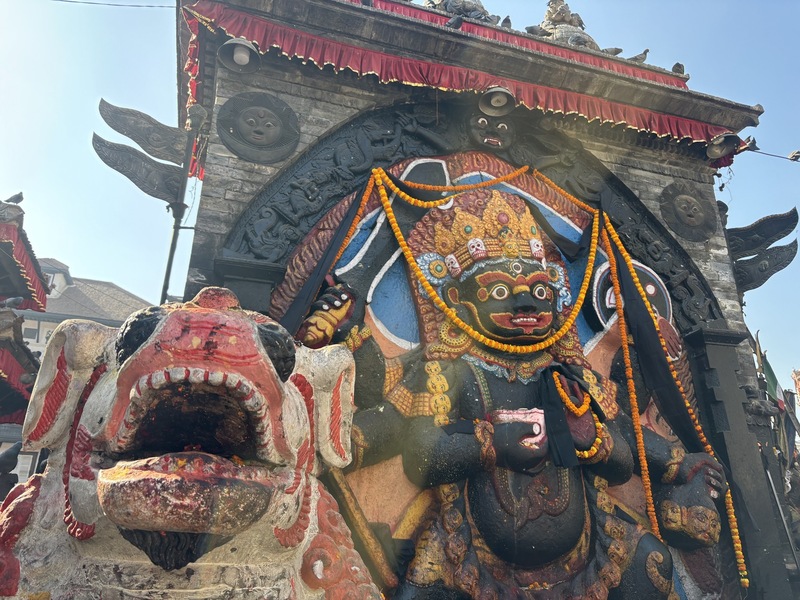
Kathmandu is the capital of Nepal and the beating heart of the Kathmandu Valley, a place with a history stretching back many centuries.
Once the seat of Newar kings, it grew into a great crossroads of trade and religion between the Himalayas and the plains, and that legacy fills the city with an astonishing density of temples, shrines, stupas, and palaces.
What makes Kathmandu so special is that its heritage is thoroughly alive.
This is not a city of museum pieces but of working shrines, daily rituals, and constant devotion, where the sacred and the everyday are inseparable. Many of its monuments have been carefully restored since the 2015 earthquake, and exploring them is a deep immersion in a culture where Hinduism and Buddhism have coexisted and intertwined for centuries.
The Must-See Sacred Sites of Kathmandu
Kathmandu's UNESCO World Heritage Sites are the highlight of any visit, and they're extraordinary.
- Pashupatinath Temple, one of Hinduism's holiest shrines, sits on the sacred Bagmati River, where you can witness the profound open-air cremation rituals, an intense and unforgettable cultural experience.
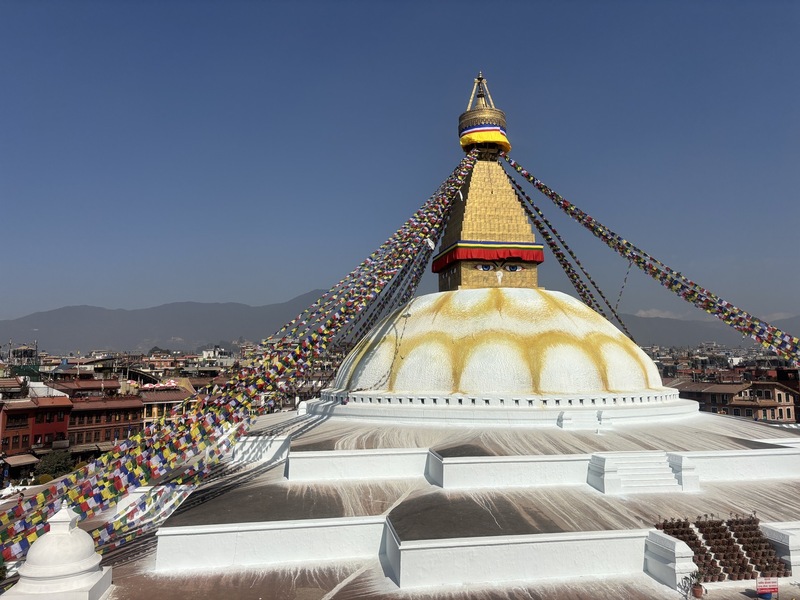
- Boudhanath Stupa, one of the largest stupas in the world, is the serene centre of the city's Tibetan Buddhist community, with its great white dome and watchful Buddha eyes ringed by pilgrims and prayer flags.
- Swayambhunath, the hilltop Monkey Temple, offers panoramic valley views and a joyful mix of Buddhist and Hindu worship (plus the cheeky monkeys that give it its name).
- Kathmandu Durbar Square, the historic royal heart of the old city, dazzles with ancient temples and palaces, and is home to the Kumari, the living goddess, who may appear at her carved window.
Thamel and the Markets of Kathmandu
For a jolt of pure energy, plunge into Thamel, Kathmandu's vibrant tourist hub, a maze of narrow streets packed with shops, trekking gear, restaurants, cafes, bars, and colour.
It's lively, chaotic, and great fun. The natural place to shop for souvenirs, refuel, and feel the city's buzz.
An evening stroll through Thamel, capped with dinner at a traditional Nepali restaurant with cultural performances, is a wonderful introduction to the city.
Beyond Thamel, you can explore Kathmandu's markets.
The historic Ason Bazaar is a whirlwind of spices, textiles, and daily commerce, while quieter corners hide craft workshops, art schools, and hidden courtyards.
Wandering the old city, getting a little lost, is one of the great pleasures of Kathmandu.
Culture, Crafts and Calm of Kathmandu
Kathmandu isn't only temples and chaos.
It also offers rich cultural experiences and pockets of calm.
Visit a family-run art school to watch traditional Nepali paintings being created, from preparing the canvas through the intricate stages of painting. Experience a sound bath, the ancient healing practice of singing bowls, learning about the seven metals and craftsmanship behind them.
Plus, you can also explore the Tibetan refugee neighbourhood and its internationally renowned carpet market, where you can watch weavers at work and sip locally brewed Tibetan tea.
For a genuine oasis, the beautiful Garden of Dreams offers a serene, restored neo-classical garden to escape the city's intensity, and the National Museum of Nepal provides valuable context on the country's history and artefacts.
Kathmandu rewards those who balance its energetic sights with these quieter, deeper experiences.
Practical Tips for Kathmandu
- Dress modestly. Kathmandu is full of active temples and traditional areas. Cover shoulders and knees, carry a scarf, and dress respectfully, especially at religious sites.
- Embrace the chaos, but pace yourself. The city can be overwhelming, with busy traffic, crowds, and dust. Take breaks in gardens and cafes, and don't try to cram everything into one frantic day.
- Go with a guide for the sites. The history and symbolism of Kathmandu's temples and stupas are immense. A knowledgeable local guide brings them vividly to life.
- Carry cash. While Thamel has ATMs and some card acceptance, keep Nepalese rupees on hand for markets, small shops, taxis, and temples.
- Be respectful at Pashupatinath. The cremations are real funerals. Observe quietly and respectfully, and always ask before photographing people.
- Watch for traffic and air quality. Kathmandu's streets are busy and dusty. Take care crossing roads, and some travellers appreciate a light mask on the most congested days.
Koryo Tours
Group Tour to Nepal
Share